Tuesday, 24 Mar 2026
How to Create a Stunning Model Portfolio?
In today’s creator driven economy, a strong online presence is no longer optional. For models, this shift is even more pronounced. Casting directors, brands, agencies, and photographers now discover talent primarily through digital channels. Social platforms, search engines, and portfolio sites have replaced traditional comp cards and printed books. As a result, building a high quality model portfolio has become a foundational step for anyone serious about a modeling career.
A model portfolio is not just a collection of photos. It is a strategic presentation of your personal brand, your range, and your professional readiness. When done correctly, it communicates credibility, versatility, and consistency at a glance. In the current landscape, where competition is global and attention spans are short, a well structured model portfolio can be the difference between being overlooked and being shortlisted.
Why Model Portfolios Matter More Than Ever
The modeling industry has undergone a structural transformation. Agencies increasingly scout talent through Instagram, TikTok, and Google searches. Brands collaborate directly with models who demonstrate strong personal branding. Freelance and independent models rely on digital discovery rather than gatekeepers.
At the same time, content consumption habits have changed. Decision makers expect to evaluate models quickly, often on mobile devices. They want clarity, relevance, and professionalism without friction. A strong model portfolio meets these expectations by centralizing your best work, presenting it cleanly, and making it easy to explore.
From an SEO perspective, portfolios are also becoming discoverable assets. Search optimized portfolio pages can appear in results for niche queries such as fitness model portfolio, fashion model lookbook, or commercial lifestyle model. This creates opportunities for passive discovery beyond social media feeds.
What Is a Model Portfolio?
A model portfolio is a curated collection of visual and contextual materials that showcase a model’s appearance, range, and suitability for different types of work. In a broader sense, a portfolio is a professional body of work. A model portfolio specifically focuses on selling a model’s image, adaptability, and brand alignment.
A complete model portfolio typically answers three questions for the viewer. What does this model look like? What types of roles or brands do they fit? Are they professional and reliable to work with?
Unlike casual social media profiles, a model portfolio is intentional. It removes distractions, highlights strengths, and presents information in a structured way. Compared to outdated PDF books or static galleries, modern portfolios are dynamic, searchable, and continuously updated.

Core Elements of a High Quality Model Portfolio
While styles vary by niche, strong model portfolios share several common characteristics.
Clear Structure and Navigation
A viewer should understand who you are and what you offer within seconds. Sections should be logically organized, allowing casting professionals to find what they need without effort.
Focused Visual Storytelling
Images should be intentional and varied, not excessive. Each photo should serve a purpose, whether showcasing facial features, body lines, lifestyle energy, or editorial presence.
Consistency in Branding
Your portfolio should reflect a coherent personal brand. This includes visual tone, styling, color palette, and the types of work you emphasize.
Professional Context
Measurements, experience, representation status, and contact options should be easy to locate. This signals seriousness and readiness.
Long Term Flexibility
An effective portfolio is not static. It evolves as your experience grows, allowing you to add new work and refine your positioning over time.

Types of Model Portfolios and Use Cases
Different modeling paths require different portfolio strategies. Understanding these variations helps you build a portfolio that aligns with your goals.
Fashion and Editorial Models
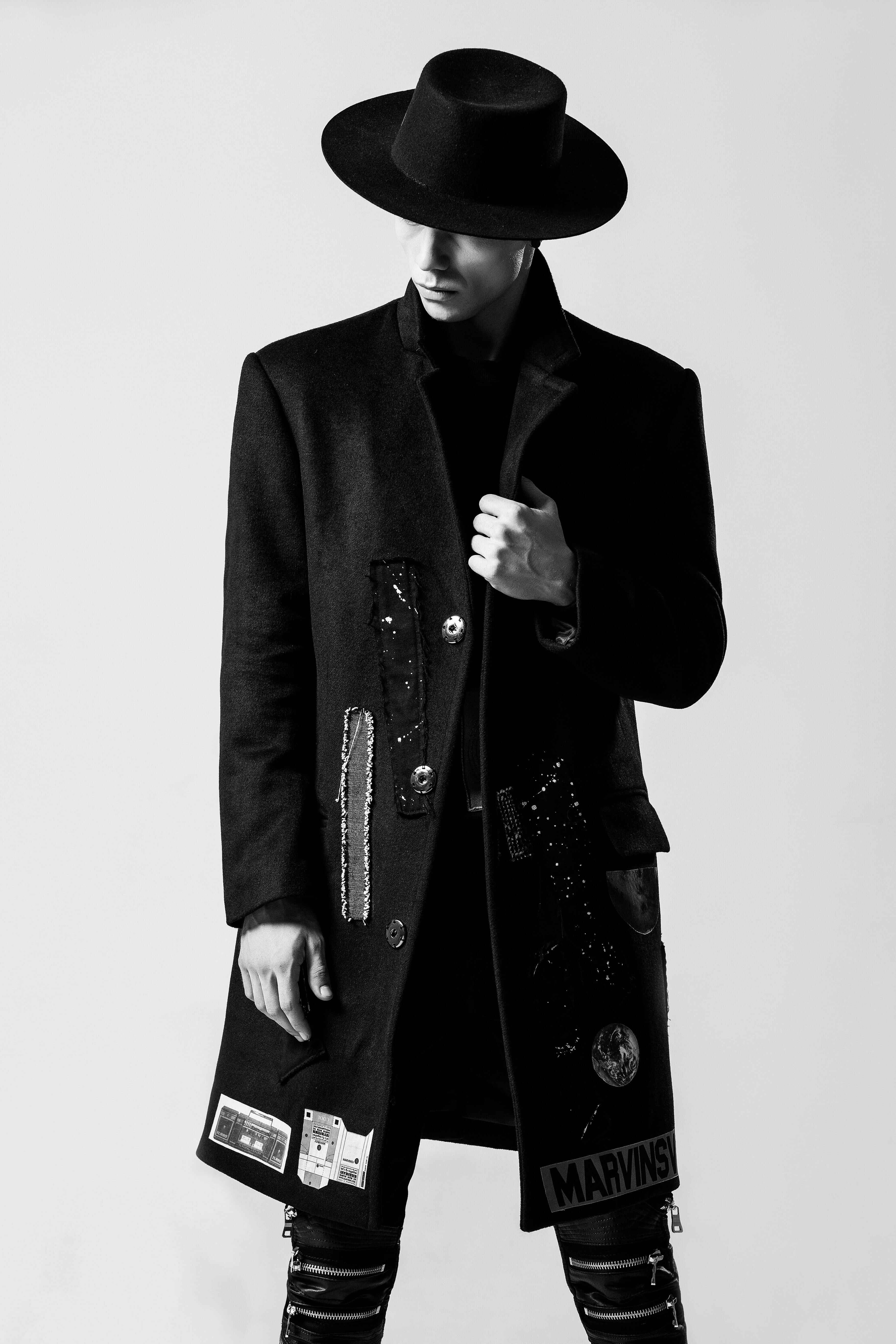
These portfolios emphasize strong poses, expressive styling, and high concept imagery. They often include studio shots, runway looks, and editorial spreads that demonstrate artistic range.
Best suited for high fashion agencies, designers, and editorial casting.
Commercial and Lifestyle Models
Commercial portfolios focus on relatability and versatility. Smiling shots, everyday scenarios, and brand friendly aesthetics are common.
Ideal for advertising campaigns, e commerce, and corporate branding.
Fitness and Sports Models
These portfolios highlight physique, movement, and energy. Clear body shots, action poses, and performance oriented visuals are essential.
Commonly used for fitness brands, sportswear, and wellness campaigns.
Freelance and Creator Models
Independent models often combine traditional portfolio images with social media content. This demonstrates both modeling ability and audience engagement.
Appeals to brands looking for creators with built in reach.

Building a Model Portfolio Step by Step
Creating a strong model portfolio is a process, not a one time task. Each stage contributes to the overall effectiveness of the final result.
Define Your Direction
Before selecting images, clarify your target market. Decide which modeling categories you want to pursue and what type of work you want to attract. This focus guides every other decision.
Select and Curate Images
Quality matters more than quantity. Choose images that are sharp, well lit, and professionally composed. Include a mix of close ups, full body shots, and contextual images that show range.
Avoid including similar photos that do not add new information.
Add Essential Information
Include key details such as height, measurements, location, and experience. Keep descriptions concise and factual. The goal is clarity, not storytelling.
Optimize Presentation
Your portfolio layout should be clean and mobile friendly. Images should load quickly and display well on different screen sizes. Navigation should feel intuitive.
Ensure Discoverability
A portfolio that cannot be found has limited value. Optimizing titles, descriptions, and page structure helps search engines understand and surface your work.
Using Tools to Build and Scale Your Portfolio
Many models start with basic tools that list images or links. While functional, these setups often lack flexibility, discoverability, and long term scalability.
Modern platforms like PopWave offer a more integrated approach. Instead of manually managing galleries, PopWave automatically transforms social media content into a structured portfolio. This allows models to maintain consistency across platforms while reducing manual effort.
By combining portfolio presentation with SEO friendly architecture, such tools help models turn ongoing content creation into a continuously evolving professional asset. Importantly, platforms like PopWave are designed to support creators rather than replace personal branding decisions.

Practical Tips and Common Mistakes to Avoid
Start simple. A clean, focused portfolio is more effective than an overloaded one.
Avoid mixing unrelated styles. If you target multiple niches, organize them clearly rather than blending everything together.
Do not rely solely on social media feeds. Algorithms change, but a portfolio remains a stable reference point.
Update regularly. Remove outdated images as your look or positioning evolves.
Pay attention to context. The same image can perform differently depending on how it is framed and described.
The Long Term Value of a Model Portfolio
A model portfolio is not just a marketing tool for immediate opportunities. It is a long term investment in your professional identity. Over time, it becomes a record of growth, a signal of credibility, and a discovery engine that works even when you are offline.
As the industry continues to shift toward digital first scouting and SEO driven discovery, portfolios will play an even larger role. Models who treat their portfolio as a living system rather than a static file are better positioned to adapt, scale, and sustain their careers.
A well built model portfolio does more than show how you look. It communicates who you are as a professional and where you are going.